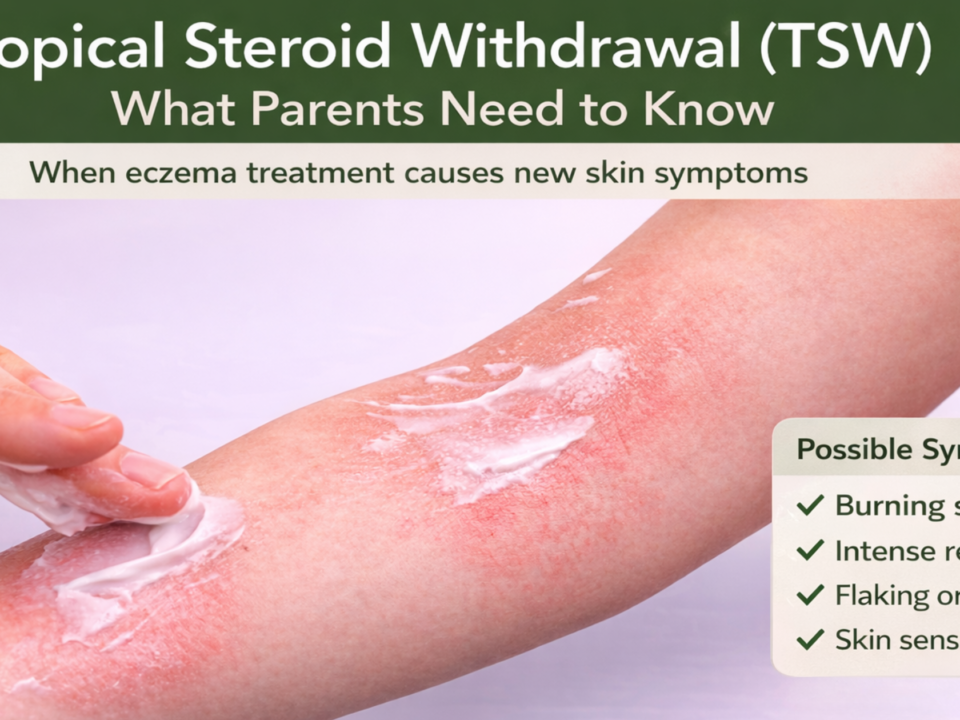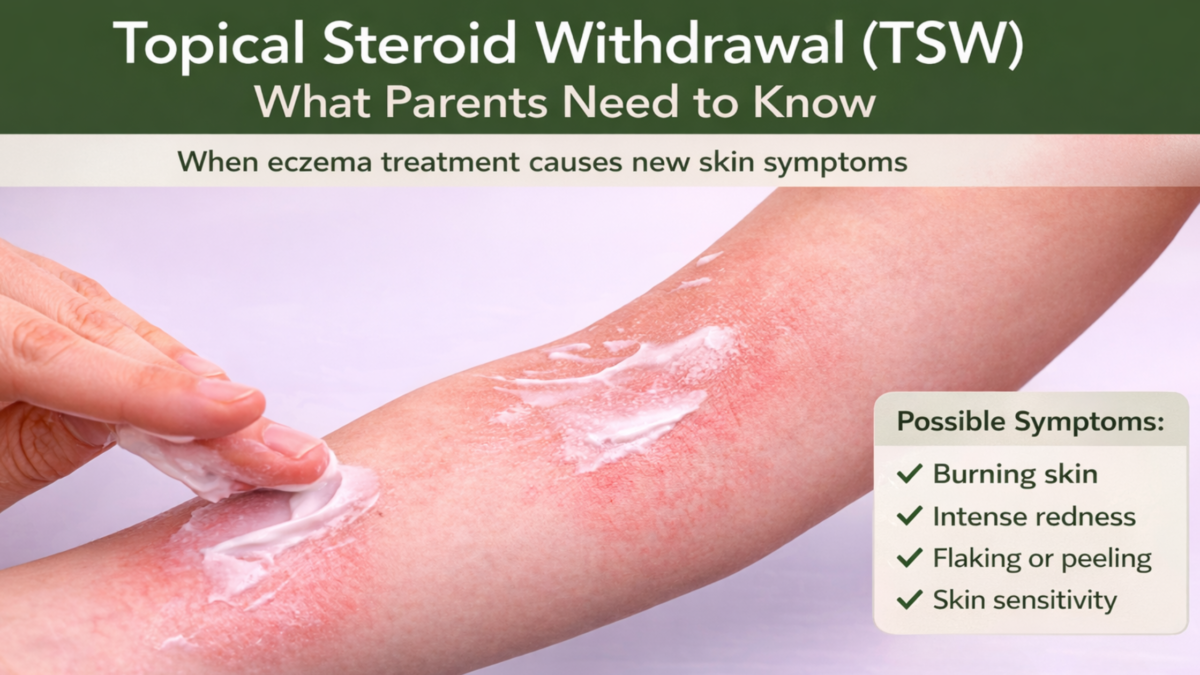

Topical Steroid Withdrawal (TSW) in Children: What Parents Need to Know
May 7, 2026
Understanding persistent symptoms, pediatric Lyme disease, treatment sensitivities, and emerging approaches to complex childhood illness.
Your child complains of a stomachache almost every morning. They’re exhausted even after a full night’s sleep. Certain foods seem to set off symptoms, and every time you try a new supplement or medication, something else goes wrong.
You’ve seen multiple doctors. The bloodwork comes back normal. You’ve been told your child may be anxious, sensitive, or just going through a phase.
But you know your child. Something has changed. And you’re still searching for answers.
Sometimes the most helpful next step isn’t another treatment. It’s stepping back to understand why your child’s body is struggling—and what needs to settle down before anything new is likely to help.
At Greater Atlanta Integrative Pediatrics (GAIP), our functional and integrative approach looks at the whole child—immune health, gut function, nutrition, sleep, and environmental exposures—to build a treatment plan your child can actually manage.
Key Takeaways
- Children with complex chronic illness may react to many treatments for different reasons, including allergies, medication side effects, gut problems, or several overlapping conditions.
- Healthy immune function is about balance and regulation, not simply “boosting” the immune system.
- Lingering fatigue, pain, or trouble concentrating after Lyme disease treatment deserves evaluation, but it does not automatically mean an active infection.
- Mast Cell Activation Syndrome (MCAS) has specific diagnostic criteria and should not be assumed from sensitivities alone.
- A flare after starting something new deserves a call to your provider, not just “pushing through.”
- Tracking symptoms, sleep, food, medications, and school changes gives your provider a clearer picture.
- Peptides are an area of emerging research, not an established treatment for children with complex illness.
Why Some Children With Chronic Illness Seem Sensitive to Everything
Children with complicated medical histories often have symptoms in several body systems at once. One child may have a history of Lyme disease plus digestive problems, poor sleep, fatigue, headaches, and reactions to certain foods or medications. Another may have recurring rashes, flushing, or stomach pain that worsens with environmental triggers.
These symptoms have many possible explanations: allergies, medication side effects, nutritional deficiencies, autonomic dysfunction, inflammatory conditions, or other disorders. Often more than one is contributing. Untangling them takes time: which symptoms are linked, which are urgent, and which can wait so a child (and family) isn’t overwhelmed.
How Chronic Symptoms Affect Your Child—and Your Whole Family
Parents aren’t just worried about inflammation or lab values. They’re worried because their child:
- Misses school or struggles to make it through the day
- Stops playing sports or doing activities they used to love
- Has more meltdowns or irritability because they simply don’t feel well
- Becomes anxious about food, medicine, or doctor visits
- Feels different from other kids
Siblings feel it too, plans get canceled, and parents carry the constant work of watching, tracking, and advocating.
For children with autism, ADHD, or communication differences, it can be even harder. A child who can’t easily describe pain may show it through sleep changes, aggression, withdrawal, or new sensory sensitivities. These changes deserve a thoughtful medical evaluation rather than being automatically attributed to a developmental diagnosis.
Stronger Isn’t the Goal—Balanced Is
“What can I give my child to boost their immune system?” is one of the most common questions we hear. It makes sense, especially when a child seems to get sick too often or recovers slowly.
But a healthy immune system does more than get stronger. It recognizes threats, responds appropriately, and calms inflammation once the threat has passed. A response that is too weak makes infections harder to fight; one that is excessive or misdirected can contribute to allergies, inflammation, or autoimmune disease.
The goal is balance and regulation, not more immune activity. For children with complex symptoms, that means evaluating sleep, nutrition, allergies, digestion, and underlying conditions before adding supplements or therapies.
Pediatric Lyme Disease: Why Symptoms Can Continue After Treatment
Lyme disease is a bacterial infection spread by the bite of an infected blacklegged tick. In children, it can cause fever, fatigue, headache, muscle or joint pain, and sometimes an expanding rash. Untreated, it can lead to neurological, cardiac, or joint complications. Most children respond well to recommended antibiotic treatment.
Some patients, however, continue to have fatigue, pain, or trouble concentrating afterward. This is sometimes called Post-Treatment Lyme Disease Syndrome (PTLDS). Its cause is uncertain, lingering symptoms do not automatically mean the infection is still active, and research has not shown that prolonged antibiotics help (CDC).
That distinction matters. A child who is still tired, getting headaches, or struggling to focus after Lyme treatment deserves continued evaluation—guided by evidence of the underlying problem, not the assumption that every symptom is an ongoing infection. At GAIP, that broader evaluation may include:
- Sleep quality and daytime fatigue
- Digestive symptoms and nutritional concerns
- Joint pain, headaches, and neurological symptoms
- Medication effects and treatment history
- Allergic or inflammatory conditions
- How well your child is functioning at school, in activities, and at home
This helps uncover other treatable conditions and guides referrals when needed.
Is It Mast Cell Activation, or Something Else?
Mast cells are immune cells that release histamine and other substances during allergic and inflammatory reactions, causing flushing, itching, hives, or stomach symptoms—sometimes several at once.
But multiple sensitivities do not automatically mean a child has Mast Cell Activation Syndrome (MCAS). MCAS has specific diagnostic criteria: characteristic episodes of symptoms in multiple systems, objective lab evidence of mast cell mediator release, and response to appropriate treatment (AAAAI). Because food allergies, medication reactions, and digestive disorders can look similar, suspected cases may need an allergist or immunologist.
“It Must Be Working”—Not Always
Many parents are told that a rough few days after starting something new means it’s working—often called a Herxheimer, or “Herx,” reaction. A true Jarisch-Herxheimer reaction can happen when treating certain bacterial infections, but a flare may just as easily be a side effect, an allergic reaction, a dose that’s too high, a drug interaction, or an unrelated illness.
A setback is information, not evidence of healing. Call your child’s provider about significant new symptoms. Difficulty breathing, throat swelling, fainting, or other signs of a severe allergic reaction need emergency care.
One Change at a Time
Picture a family that, in one month, removes gluten, starts magnesium and a probiotic, switches allergy medicines, and begins a new bedtime routine. Two weeks later their son is sleeping better—but his stomachaches are worse. Which change gets the credit, and which gets the blame? No one can say.
A more structured approach addresses the most urgent problems first, introduces non-urgent interventions one at a time, and monitors the response. For example, a provider might first treat constipation or reflux that interferes with eating, investigate a serious sleep problem, or identify a medication causing side effects.
This never means delaying antibiotics or other medically necessary treatment. It means sequencing care around both medical priorities and what your child can tolerate.
5 Things to Track Before Your Child’s Next Appointment
You don’t need a medical background to help your child’s care team. A few weeks of simple notes can reveal patterns that are easy to miss in a single visit.
| What to track | What to write down | Why it matters |
|---|---|---|
| Symptoms and timing | What happened, when it started, how long it lasted, and what came before it | Helps identify patterns and possible triggers |
| Sleep and energy | Bedtime, night waking, morning energy, and afternoon crashes | Shows how symptoms affect daily function |
| Food and digestive symptoms | Meals, stomachaches, bowel changes, and foods that seem to cause problems | May reveal concerns worth evaluating |
| Medications and supplements | Name, dose, start date, and any change in how your child feels afterward | Helps your provider assess side effects and tolerance |
| School and behavior changes | Missed days, nurse visits, meltdowns, and notes from teachers | Shows the real-life impact of symptoms |
Download GAIP’s free printable 7-day symptom tracker (PDF) and bring it—or a photo of it—to your next appointment. Even partial notes are helpful.
A Note on Peptides and Emerging Research
You may have seen peptides promoted online for immune support, Lyme disease, or chronic illness. Peptides are short chains of amino acids that the body uses as signals, and some peptide-based medications are FDA-approved for specific conditions. Others, including so-called “peptide bioregulators,” are being studied for effects on inflammation and immune signaling.
That research is interesting, but there is not enough high-quality evidence to recommend experimental peptides as treatments for pediatric Lyme disease, MCAS, mold-related illness, or immune dysregulation. The FDA has also flagged several peptides used in compounding for potential safety risks. Please don’t give your child peptides purchased online or labeled “for research use only.” If you have questions about emerging therapies, bring them to your child’s provider.
Measuring Progress in Real Life
With complex illness, progress rarely arrives as one dramatic turnaround. It tends to show up in ordinary moments—and those moments matter. Families often notice things like:
- Getting through a full school week
- Finishing dinner without a stomachache
- Fewer calls from the school nurse
- Taking a needed medication without a reaction
- Having the energy for a birthday party, practice, or playdate
Lab results matter, but so do these. They’re signs a child is getting back to being a kid.
The GAIP Approach: Looking at the Whole Child
At Greater Atlanta Integrative Pediatrics in Roswell, Georgia, we know that children with complex concerns need more than a brief visit focused on one symptom. Our longer visits let us review medical history, past treatments, nutrition, gut health, sleep, and immune concerns together. When appropriate, we coordinate testing, conventional treatment, specialist referrals, and individualized supportive care.
We also believe families deserve clear explanations and realistic expectations. Not every symptom has one cause. Not every emerging therapy is right for children. And sometimes the most helpful next step is careful reassessment rather than another intervention.
Frequently Asked Questions
Can children develop persistent symptoms after Lyme disease treatment?
Yes. Some children and adults have ongoing fatigue, pain, or concentration problems after completing recommended treatment. These symptoms warrant evaluation, but they do not necessarily mean an active infection.
Can immune dysregulation cause food or medication sensitivities?
Certain immune and allergic conditions can contribute to reactions. However, sensitivities have many possible causes, and immune dysregulation should not be assumed without an appropriate evaluation.
Are peptides safe for children with chronic illness?
It depends on the specific peptide, the condition, the formulation, and the child’s medical history. Some peptide medications are approved for particular pediatric conditions, but many peptides marketed for immune regulation or chronic illness lack adequate pediatric safety and effectiveness data.
Does GAIP treat children with Lyme disease?
GAIP provides integrative and functional pediatric care, including evaluation of children with Lyme-related concerns. Treatment recommendations depend on each child’s clinical findings, diagnosis, and individual needs.
When should parents seek additional evaluation?
If your child has persistent fatigue, recurring unexplained symptoms, significant medication reactions, ongoing pain, or changes that interfere with school and daily life, a comprehensive medical assessment may help.
What should I track before my child’s appointment?
Keep simple notes on symptoms and timing, sleep and energy, food and digestive symptoms, medications and supplements, and school or behavior changes. Patterns across these areas help your provider understand what is happening.
Your Child Is More Than a Collection of Symptoms
After months or years of struggling, parents can feel pressure to keep searching for the next treatment. But more interventions don’t always mean better care. Sometimes the most valuable question isn’t “What else can we try?” but “What does my child need right now, and how can we approach it safely?”
Still Searching for Answers About Your Child’s Symptoms?
When your child has ongoing fatigue, digestive problems, unexplained reactions, or trouble tolerating treatment, you deserve a provider who takes the time to understand the full picture.
At Greater Atlanta Integrative Pediatrics in Roswell, Georgia, we offer personalized pediatric care for children with routine and complex health needs.
Schedule a consultation to discuss your child’s symptoms, medical history, and appropriate next steps.
Related Reading
- Is My Child Getting Sick Too Often? What Recurrent Infections Might Mean
- Why Your Child’s Gut Health Affects Everything — Behavior, Immunity, and Mood
- What Is PANS/PANDAS? A Guide for Parents Who’ve Been Dismissed
- What to Expect at Your First GAIP Appointment
Sources
- Centers for Disease Control and Prevention. Chronic Symptoms and Lyme Disease.
- Centers for Disease Control and Prevention. Clinical Care of Lyme Disease.
- Valent P, et al. Definitions, criteria and global classification of mast cell disorders with special reference to mast cell activation syndromes: a consensus proposal. Int Arch Allergy Immunol. 2012.
- Weiler CR, et al. AAAAI Mast Cell Disorders Committee Work Group Report: Mast Cell Activation Syndrome (MCAS) Diagnosis and Management. J Allergy Clin Immunol. 2019.
- Mast cell activation syndrome: Current understanding and research needs. J Allergy Clin Immunol. 2024.
- U.S. Food and Drug Administration. Certain Bulk Drug Substances for Use in Compounding that May Present Significant Safety Risks.
Medical disclaimer: This article is for educational purposes and does not replace individualized medical evaluation or treatment. Experimental peptides and bioregulators are not established treatments for pediatric Lyme disease, MCAS, or complex chronic illness.